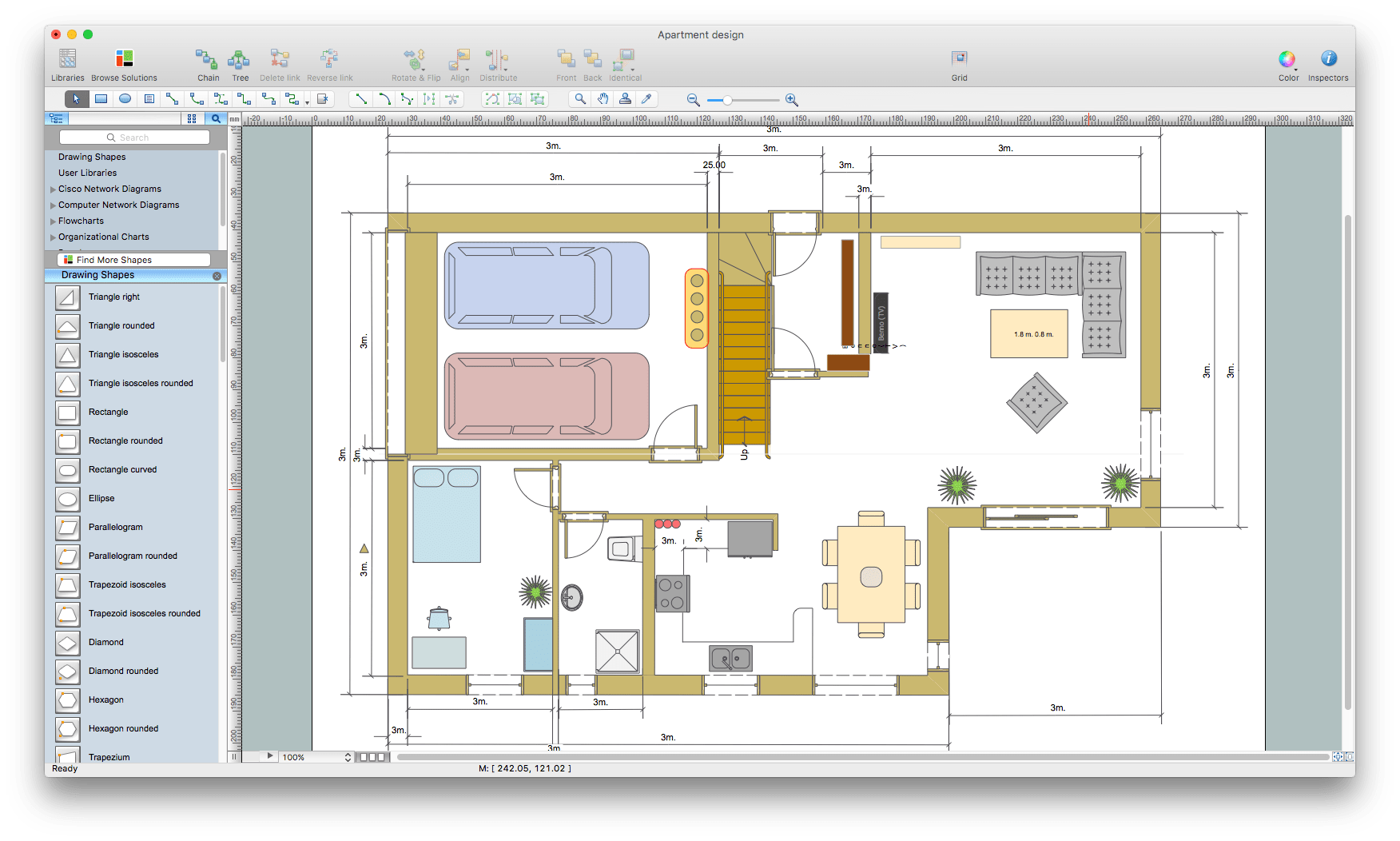
Most of the time I can keep the layout of a room or scene in my head just fine. But every once in a while, my brain conjures something that starts to trip me up and I lose where people are and how big or small something is.
And so, I turn to Visio. Yes, I’m the nerd who imports the floorplan for a new apartment into Visio and lays out all of my furniture digitally so I know everything will or won’t fit. And that’s turned out to be a helpful skill as I plot out complex battles and the layouts of tombs and monuments.
So far it’s helped me out of a few jams, actually. If I’ve set up a scenario that seems inescapable or impossible for the squad to overcome, looking at the layout or map of the scene helps me identify a new route or strategy for them to try.
I have no idea if any of this is interesting to anyone, but here are a few of the bare-bones wireframes I’ve used while writing Tomb of the Last God:

The Giza Plateau and all of the hidden chambers and passageways
I’ve invented beneath the limestone surface
The Great Pyramid of Khufu’s interior passages and chambers weren’t sufficient for the story,
so I added a few of my own that (most likely) don’t really exist
The layout of the Stage Two battle between Petra’s squad and Reza’s squad 
The layout of the external temple courtyard and the internal temple chambers of the Sinai Temple